
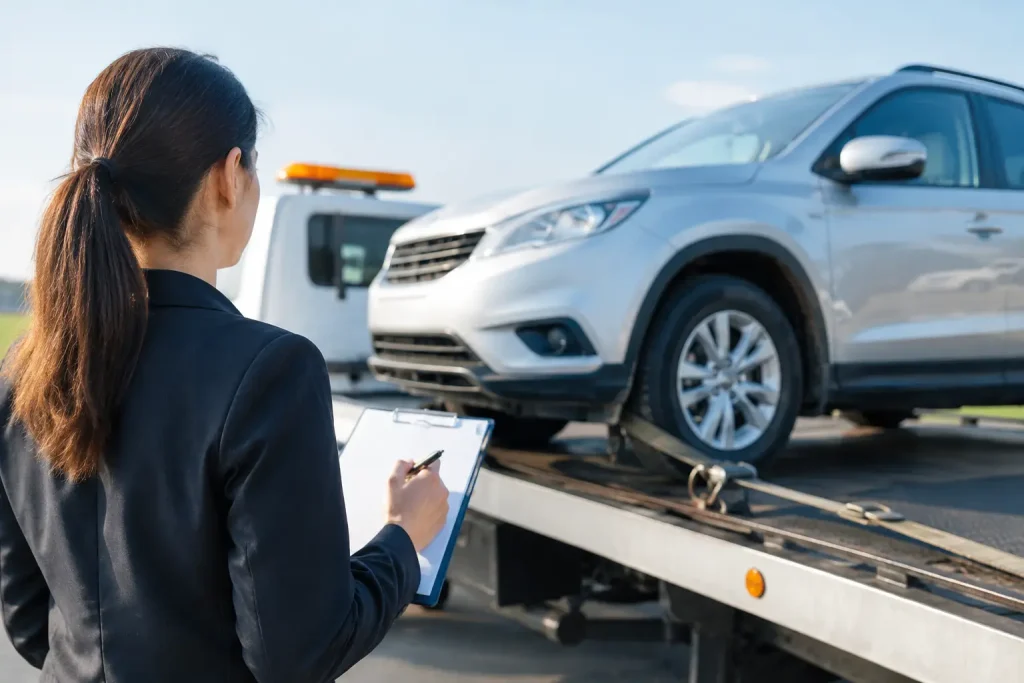
That unregistered car taking up the driveway is not just an eyesore. It can become a real hassle when it will not start, the rego has lapsed and nobody wants to tow it away. The straightforward way to remove an unregistered vehicle legally is to sell it to a legitimate vehicle buyer, confirm you have the right to sell it, complete the ownership paperwork and have it collected on a truck.
For Sydney owners, this is often far easier than trying to get the car roadworthy, renewing registration or dealing with private buyers who never show up. A professional car removal service can collect cars, utes, vans, 4WDs and light trucks from your property, pay a fair cash amount and take the vehicle away without you driving it anywhere.
Why an unregistered vehicle needs the right removal process
Once a vehicle is unregistered, you generally cannot simply drive it on public roads to a buyer, scrapyard or mechanic. Even if it still runs well, putting it on the road without current registration can create unnecessary legal and financial risk.
That is why collection matters. A properly equipped removal operator sends a tow truck or car carrier to your location, loads the vehicle and transports it away. Your old car stays off the road, and you do not need to arrange a separate tow or ask a mate to take a chance driving it.
The key point is simple: do not abandon the vehicle, leave it on public land or hand it to an unknown person without proof of the sale. A quick removal only works when the seller, buyer and paperwork are all clear.
How to remove an unregistered vehicle legally in NSW
The exact process can depend on how long the vehicle has been unregistered, whether you still have its documents and whether there is finance recorded against it. But for most unwanted vehicles, the practical route is clear.
First, make sure you are the legal owner or have authority to sell on the owner’s behalf. If the car was inherited, belongs to a business or is owned jointly, sort out that authority before booking collection. A buyer cannot lawfully purchase a vehicle from someone who has no right to sell it.
Next, gather whatever identification and vehicle details you have. Your driver licence, proof of ownership, registration papers if available, previous purchase documents and the VIN can all help confirm the vehicle. Do not panic if the rego papers are missing. A legitimate buyer can usually explain what alternative details are needed before collection.
Then get a quote from a licensed, established buyer that accepts unregistered vehicles. Be upfront about the condition. Say whether it starts, has crash damage, is missing parts, has a seized engine or has been sitting for years. Accurate information means a more reliable quote and no awkward surprises when the truck arrives.
Once you accept an offer, arrange a collection time. The buyer should collect the vehicle from your home, workplace, workshop or storage site using suitable transport. You should receive a receipt or sale record showing the vehicle details, date and buyer information. Keep a copy with your records.
Finally, complete the applicable NSW ownership disposal or transfer steps as soon as the sale is finished. The right step depends on the vehicle’s registration status and the transaction, so check the current NSW requirements or ask the buyer what documentation they need from you. What matters is creating a clear record that you no longer own or control the vehicle.
Do not drive it to get rid of it
A common mistake is thinking an unregistered vehicle only needs to travel a few streets to be sold. The distance does not remove the problem. If the vehicle is off registration, the safe option is to leave it parked on private property and organise transport.
There are limited circumstances where permits may apply, but they are not a shortcut for routine disposal. If your goal is simply to turn an old car into cash and clear your space, a free vehicle collection is usually the faster, cleaner option.
This is especially useful for accident-damaged vehicles, engine-dead cars and cars with flat tyres or missing keys. These are not vehicles you want to move yourself. A removal team has the winch, trailer and experience to load them safely.
What a legitimate buyer will ask for
A proper cash-for-cars operator should not pressure you to hand over a vehicle with no questions asked. Expect them to confirm the make, model, location, condition and ownership details before collection.
They may ask for the VIN, number plate details if plates are still attached and photo identification from the person selling the vehicle. This protects both sides. It helps the buyer avoid purchasing a stolen or encumbered vehicle, and it helps you show that the vehicle was sold through a traceable transaction.
Be wary of anyone who wants to collect the car immediately but refuses to provide their business details, receipt or agreed payment terms. A genuine operator will explain the process plainly, inspect the vehicle as quoted and finalise the paperwork before it leaves your property.
Can you sell an unregistered car for cash?
Yes. An unregistered car can still have value, even when it is not worth repairing or advertising privately. The value may come from reusable parts, salvageable panels, tyres, wheels, the engine, the catalytic converter or the scrap metal content. A clean, running but unregistered vehicle may also be suitable for resale or repair.
The amount offered depends on the vehicle’s make, age, condition, demand for parts and how complete it is. A late-model ute with expired rego is a different proposition from a rusted sedan that has sat in the backyard for a decade. Either way, being unregistered does not automatically mean the vehicle is worthless.
At NSW Sell My Car, unwanted vehicles are assessed in all conditions, including damaged, wrecked, non-running and unregistered cars. The focus is on a clear offer, instant cash payment and free collection, rather than making you spend more money just to move a vehicle you no longer want.
Remove personal items and plates before collection
Before the tow truck arrives, take a few minutes to check the glove box, centre console, door pockets, boot and under the seats. Owners often find toll tags, personal documents, tools, garage remotes and old number plates in vehicles they have not used for a long time.
If plates remain on the vehicle, ask the buyer how they should be handled for your particular sale. Plate requirements can differ based on the vehicle’s status, so do not make assumptions. Keep any receipt and paperwork in a safe place after collection.
Also remove anything that is not part of the sale. This may include child seats, work equipment, roof racks you intend to keep or aftermarket accessories that have separate value. Let the buyer know before quoting if major components are missing, as this can affect the offer.
The fastest legal option is collection from your location
Private selling an unregistered vehicle can drag on. Buyers may want test drives, inspections or a big discount because they know the car cannot be driven away. You can end up answering messages for weeks while the vehicle keeps occupying your driveway.
A direct vehicle buyer removes those delays. You provide the details, receive an offer, choose a collection time and get paid when the vehicle is collected. There is no need to renew the rego, pay for a tow yourself or wait for a private buyer with a trailer.
If the car has become a burden, do not let expired registration turn it into a bigger problem. Confirm your ownership, deal with a reputable buyer, keep the sale record and have the vehicle removed by truck. You get your space back, the vehicle is handled properly and the unwanted car is finally off your hands.