
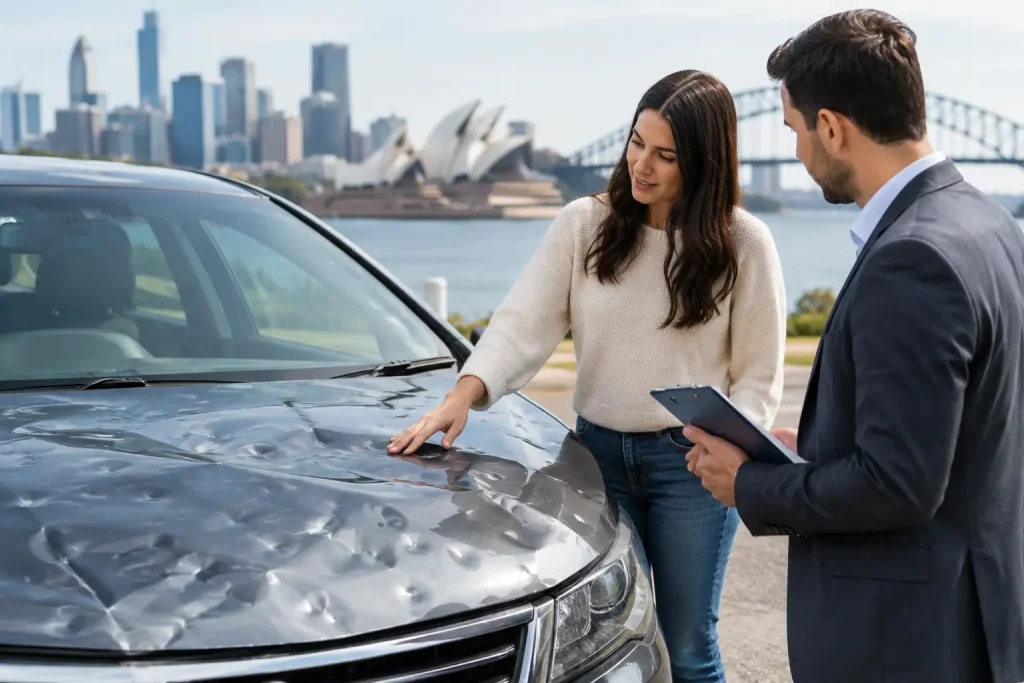
A hailstorm can turn a perfectly usable car into a problem overnight. When you search sell hail damaged car, you are usually not looking for a lengthy private-sale project. You want to know what it is worth now, whether you need to repair it first, and how quickly you can get it off your property.
For Sydney owners, selling directly to a vehicle buyer can be the simple answer. You can get an upfront quote, accept an offer that suits you, receive payment and arrange free vehicle removal without paying for dent repairs, posting ads or dealing with strangers at your driveway.
Can You Sell a Hail Damaged Car Without Repairs?
Yes. A hail damaged car can still be sold in its current condition, whether it has a few dents on the bonnet or widespread damage across the roof, boot and panels. Hail damage may look severe, but it does not automatically mean the engine, gearbox, brakes or interior are affected.
The catch is that private buyers often see cosmetic damage and either walk away or expect a major discount. They may also ask you to arrange inspections, provide repair quotes and wait while they decide. That is a lot of effort for a car you may simply want gone.
A direct cash-for-cars service assesses the vehicle as it sits. Its value can come from usable parts, mechanical condition, make, model, demand, metal recovery and resale potential – not just whether every panel is clean and dent-free. This gives owners a practical route to sell a hail damaged car without spending more money trying to make it presentable first.
Is It Worth Fixing Hail Damage Before You Sell?
It depends on the vehicle and the cost of the work. Paintless dent repair can be a good option for a late-model vehicle with light damage, clean paintwork and a strong resale value. In that situation, repairs may make sense if you plan to keep the car or have already found a buyer willing to pay accordingly.
For an older car, a vehicle with dents on multiple panels, or one that also has mechanical faults, repair costs can quickly outweigh the extra sale price. Panel repairs, paint matching and time off the road add up. You could spend thousands fixing a car only to face the same advertising, inspections and negotiation afterwards.
Before booking repairs, get a direct quote for the car as-is. That gives you a real figure to compare against the likely repair bill. If the difference is not worthwhile, selling the vehicle in its hail-damaged condition is often the smarter financial move.
What Affects the Offer for a Hail-Damaged Vehicle?
Hail dents matter, but they are only one part of the assessment. A fair quote is based on the complete vehicle and its potential value after collection.
The key details are the make, model, year, kilometres, overall mechanical condition and extent of body damage. Whether the car starts and drives can affect the offer, but a non-running hail-damaged car can still be worth buying. Utes, 4WDs, SUVs, vans, trucks and older sedans all have components that may retain value.
It also helps to be clear about other issues from the start. Let the buyer know if the vehicle has accident damage, a dead engine, missing wheels, flat tyres, expired registration or interior damage. Honest details mean a more accurate quote and fewer surprises at pickup.
If an insurer has assessed the car after the storm, disclose its status as well. The vehicle may still be saleable, but its history and paperwork can influence how it is handled. A professional buyer that accepts damaged vehicles can explain what information they need before removal.
Why Private Sale Is Harder After a Hailstorm
A hail damaged car can attract attention online, but attention is not the same as a completed sale. Buyers often send messages asking for photos, then disappear. Others arrive expecting to negotiate heavily because the dents are worse than they imagined.
There is also the safety and time factor. Private selling means arranging inspections around work and family, answering repetitive questions and hoping the buyer follows through. If the car is unregistered or unsafe to drive, you may need to organise towing before any sale can happen.
A direct sale cuts out that friction. There is no need to clean up every dent for photographs, wait weeks for the right buyer or organise transport to a repairer. You receive an offer based on the car’s actual condition, then the vehicle is collected from your home, workplace or other accessible location.
How to Sell a Hail Damaged Car for Fast Cash
The process should be straightforward, especially when the vehicle is taking up space after a storm. Start by providing the basic details: make, model, year, registration if available, kilometres, location and a clear description of the hail damage. Photos can help when requested, particularly if damage covers several panels.
Once you receive a quote, check that it reflects the condition you described and that collection is included. A proper vehicle-removal service should not leave you with a surprise towing charge at the end. If you accept the offer, arrange a suitable pickup time.
Before collection, remove personal belongings from the glovebox, centre console, door pockets and boot. Take out toll tags, parking passes and any personal documents. Have your keys and identification ready, along with any ownership documents you have available. If you have the service history or insurer assessment papers, keep them handy, but do not delay the sale simply because you cannot find every old receipt.
At pickup, the buyer confirms the vehicle details, completes the required sale documentation and removes the car. That is the point: no repair shop appointments, no tow truck to arrange separately and no unwanted hail-damaged vehicle sitting on the kerb for another month.
We Buy More Than Light Hail Damage
Some cars have only small dents on the roof and bonnet. Others have cracked glass, damaged mirrors, water exposure or existing mechanical trouble that makes repair even less appealing. Both can be worth selling.
NSW Sell My Car buys vehicles across a wide range of conditions, including hail-damaged cars that still run, unregistered vehicles, accident-damaged cars, old family cars, wrecked utes and engine-dead vans. The goal is not to judge whether the car is showroom-ready. It is to make a fair offer, pay promptly and remove it without hassles.
This is particularly useful if your vehicle was already near the end of its useful life before the storm. An older car with hail dents, worn tyres and a looming repair bill is unlikely to become easier to sell by sitting unused. Turning it into immediate cash can be the cleaner choice.
Get the Details Right for a Better Quote
You do not need to know automotive jargon to request a quote. Just describe the damage plainly. Say whether the hail affected the roof, bonnet, boot, doors, windscreen or windows, and mention if the car starts, drives or needs to be loaded onto a truck.
Avoid guessing that the car is worthless because it looks rough. Likewise, do not assume a hail damaged late-model vehicle will fetch the same price as an undamaged example. The right price sits between those extremes and depends on the full condition of the vehicle.
A fast quote gives you certainty before you commit to repairs or keep spending money on registration, storage and upkeep. If the offer works for you, arrange collection and put the storm damage behind you. Your car does not need to look perfect to have value – it just needs the right buyer ready to take it as it is.