
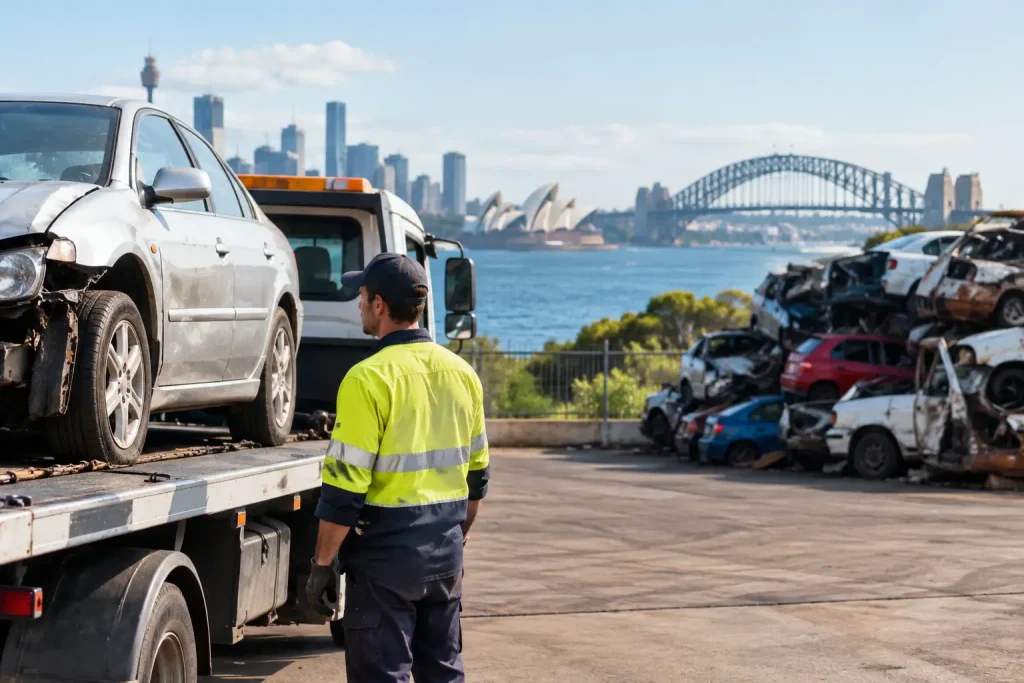
A dead car in the driveway is not just taking up space. It can be a constant reminder of repair bills, expired rego, an accident or a vehicle you simply do not need anymore. This scrap car collection guide is for Sydney owners who want to turn that problem into cash without arranging a tow, listing the car online or dealing with strangers at the door.
For most unwanted vehicles, the quickest route is straightforward: get a quote, accept the offer, receive payment and have the car collected from your location. Whether it is a rusted sedan, engine-dead 4WD, damaged ute, unwanted van or a truck that no longer earns its keep, collection removes the hard work from selling it.
When scrap car collection is the right move
Private selling can make sense for a clean, roadworthy car with strong demand. But it becomes a long and frustrating process when the vehicle will not start, has major accident damage, needs expensive repairs or has sat unused for months. Buyers want test drives, mechanics may give uncertain repair estimates, and towing a non-running car to inspections can cost more than it is worth.
Scrap car collection is designed for the other situation: you know the vehicle needs to go, and you would rather have a fair cash offer and a confirmed removal time than spend weeks chasing a higher price that may never arrive.
A car does not have to be completely crushed or beyond recognition to qualify. Older vehicles, written-off cars, unregistered cars, flood-damaged vehicles, cars with seized engines and vehicles missing parts can all still hold value. That value may come from reusable parts, metal, tyres, wheels or the vehicle’s potential for dismantling and recycling.
What determines your scrap car offer
A fair offer is not based on one number pulled from thin air. The collector looks at the make, model, age, overall condition and whether key components are still present. A complete vehicle will usually have more value than one that has already had the engine, gearbox, catalytic converter or wheels removed.
Vehicle type also matters. A large 4WD, commercial van, ute or truck may contain more recoverable material and parts than a small hatchback. Popular models can have useful components even when the vehicle itself is no longer driveable. On the other hand, severe fire damage, extensive corrosion or a car stripped to a shell can reduce the offer.
Location and access can affect collection planning too. A car parked on a clear driveway is simple to load. One wedged behind another vehicle, sitting in a tight basement or missing wheels may need different equipment and more time. Be upfront about these details when requesting a quote. Clear information helps the buyer give you an honest price and arrive prepared to remove the vehicle without delays.
Give an accurate description from the start
You do not need to know every mechanical detail. Describe what you do know: whether the car starts, what damage it has, whether it is registered, how long it has been sitting and if major parts are missing. Photos can also help confirm condition quickly.
There is no benefit in calling a vehicle “good condition” if it has accident damage or a blown engine. An accurate description protects the quoted amount and avoids an awkward discussion when the collection team arrives. The right buyer is prepared to purchase unwanted vehicles in all conditions, so there is no need to hide the rough bits.
What to do before collection day
The preparation is light, but a few minutes spent beforehand makes the handover cleaner. Remove personal belongings from the glovebox, centre console, door pockets, boot and under the seats. Check for toll tags, parking permits, work equipment, garage remotes and paperwork containing information you need to keep.
Have proof that you are entitled to sell the vehicle ready, along with suitable identification and any ownership documents you have. If the car is registered, tell the buyer before pickup. If it is unregistered, damaged or has been off the road for years, say that too. A professional collector can explain the paperwork needed for the sale and make sure the transaction is properly documented.
Keep the keys available if you have them, including spare keys. Lost keys do not always stop a scrap vehicle from being collected, but knowing this in advance allows the team to plan the right loading method. The same applies if tyres are flat, the steering is locked or the car is blocked in.
Do not waste time trying to make a scrap car look sale-ready. You are not preparing it for a private inspection. A quick check for personal items and honest information about access are what matter most.
How a no-hassle collection should work
The process should feel fast from the first contact, not like another job added to your week. Start by providing the vehicle’s basic details and location. You should receive a clear quote based on the condition described, rather than a vague promise to “see what it is worth” after a truck arrives.
Once you accept, agree on a collection time that works for you. Same-day pickup can be available when schedules and location allow, while other collections can be booked for a convenient time. You should not need to organise your own tow truck or take a day off just to deliver a broken car somewhere.
At collection, the team checks that the vehicle matches the details supplied, completes the required paperwork and pays the agreed amount. The car is then loaded and removed. That is the benefit of using a business set up for car removal: the towing, lifting and transport are handled by people with the right truck and equipment.
NSW Sell My Car provides this kind of direct service for owners who want an instant cash quote, top-dollar payment and free vehicle removal without the usual selling hassles. The focus is on getting unwanted cars, vans, utes, 4WDs and trucks off your property quickly while giving you a clear outcome from the start.
Avoid the delays that cost owners time
The biggest hold-up is usually incomplete information. If the car has been stripped, cannot roll, is in a difficult spot or belongs to a deceased estate, mention it during the quote stage. These are not automatic deal-breakers, but they can change the collection plan and paperwork requirements.
It is also wise to deal with a buyer that gives you a clear offer before pickup and confirms whether removal is included. A low initial quote, surprise towing charge or last-minute pressure to accept less can turn a simple job into a headache. Ask direct questions, keep the vehicle details consistent and do not hand over the car until you understand the payment and documentation process.
For commercial owners, be clear about whether the vehicle is a single surplus work ute or part of a larger group of vans, trucks or fleet cars. Multiple unwanted vehicles may need a planned pickup, especially where access, keys and records need to be coordinated. A capable removal team can handle the logistics, but only if it knows what is waiting on site.
Repair it or collect it?
This comes down to numbers and certainty. If a car only needs a modest repair and has a healthy resale value, repairing it may be worthwhile. But when quotes keep growing, parts are hard to source or the vehicle has failed repeatedly, more spending can turn into good money after bad.
Consider what the vehicle is costing while you decide. It may be taking up a parking spot, attracting fines or complaints, becoming harder to move as it deteriorates, or simply sitting there because nobody wants to deal with it. A prompt cash sale gives you a fixed result now instead of another uncertain repair bill later.
If the unwanted vehicle has reached the point where it is more burden than transport, get an accurate quote, clear out your belongings and choose a collection time that suits you. A scrap car does not need to stay on your property waiting for the perfect solution – it can be gone, documented and turned into cash with far less effort than most owners expect.